Bittersweet Spring
by
Jody Frank

Spring is time for feasts and festivals of renewal and rebirth—Easter, Passover, and Iran's Nowruz (literally "new day")—but this year it was hard to get into the spirit.
[I link to Inhinan's post below, but I'm putting it here, too, because it's so good.]
 Inhinan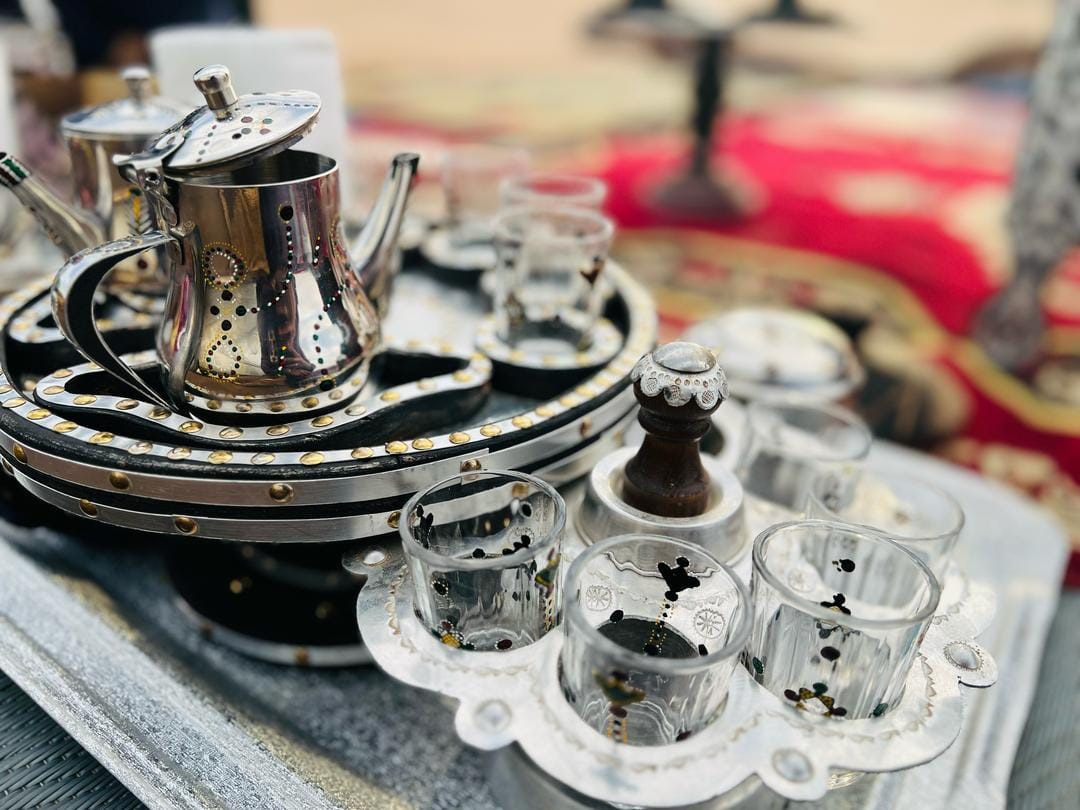
I don't know if my friends in Iran are OK. Their internet is down, and even if it weren't, it's probably not safe for them to write while our countries are at war. In these times of connecting so easily and genuinely across vast distances, how can we get our minds around war? The president of my country just threatened to bomb their country "back to the Stone Age" to punish their leaders. Wait, "back"? Collectively, we've had one foot in it all along, or we wouldn't be in this mess.
Concurrently, I happened to be editing a high-school lesson on British poetry of World War I. Talk about a sock to the solar plexus. The soldier-poets of the trenches had to find a new kind of language: they needed the literary equivalent of barbed wire just to express the reality of modern warfare. Wilfred Owen's "Dulce et Decorum Est" is as devastating an anti-war poem as anyone's ever written, and I compulsively kept rereading it, intoning "the old Lie: Dulce et decorum est / Pro patria mori"1 to myself in the shower. Chocolate bunny, anyone?
Yet whatever we're doing to each other and the planet, spring comes anyway. The earth renews itself from ashes, and the living renew themselves with rituals of shared meaning.
Reaching out across the planet about 5,000 miles from Roanoke, Virginia, I asked Inhinan about Tuareg celebrations of spring. It turned out to be a poor question because the seasons mean something different for a traditionally nomadic desert people. Luckily, the topic changed to something more important —tea. I'd found a text online about a Tuareg tea ritual involving symbolic bitter and sweet cups of tea. Was there a parallel with the bitter herbs (maror) and sweet apple mixture (charoset) of the Passover Seder? But nope, the thing about bitter and sweet cups turned out to be nonsense—at least, it didn't have any meaning for his father's people of the Ténéré. However, the real Tuareg tea story turned out to be far more interesting and fun.
Inhinan kindly wrote up a post after getting the full tea scoop from his father. I hope you'll give it a read. You may never look at tea the same way again...
Let me tell you a true story. When I was working as an ICU doctor, I rushed to receive two Tuareg children who had suffered severe burns from an exploding gas cylinder. They had been transferred to the hospital from the south of Libya. It was a hot summer afternoon, and when I went to meet the father and comfort him, he was exhausted and sweaty. He said, "I haven't had tea today..."
InhinanHappy Spring, all. Wishing you sweetness.
1 From the Roman poet Horace: "It is sweet and fitting to die for one's country." Yeah, right.
Member discussion