Chapter 6: The Man Who Lived
Tariq and Amna's Story

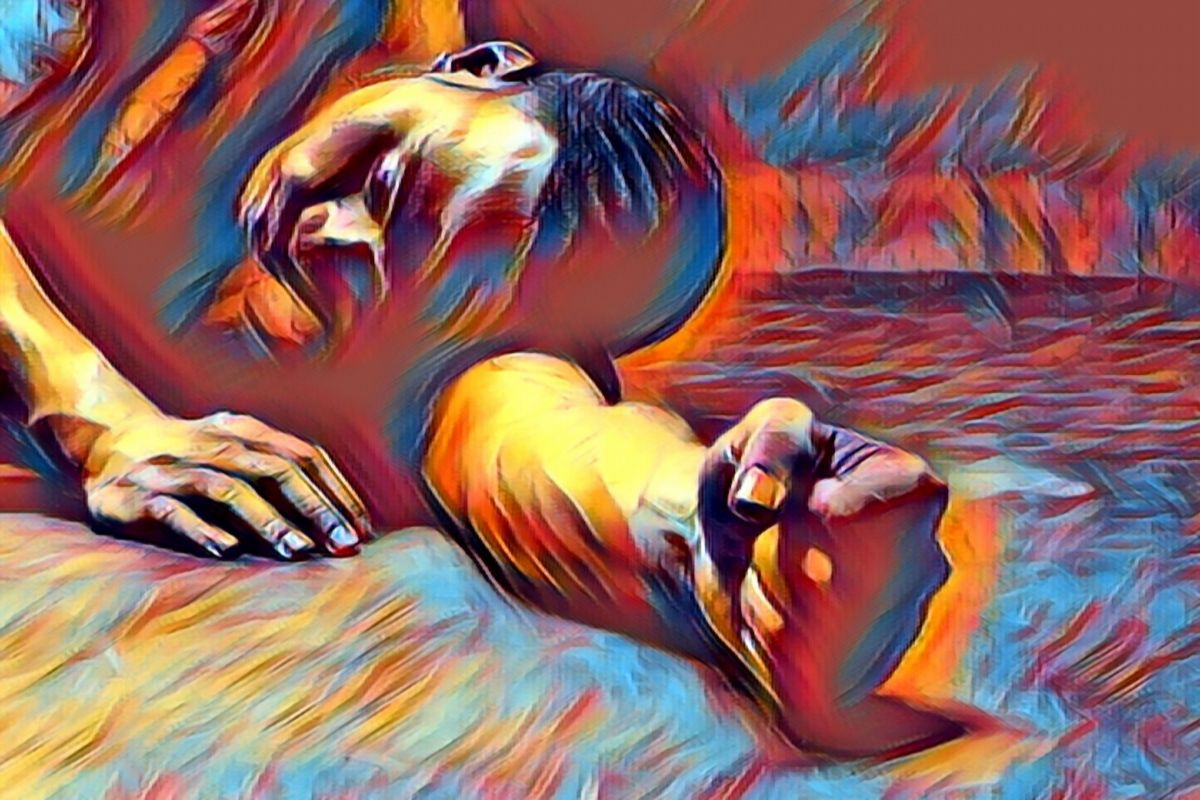
The lawyer the U.S. hired for me was from another country. He was too scared to go with me when the extremists summoned me, and he did nothing to help me or my family while I was detained. I still wonder why they would hire a non-citizen to represent me. I appreciate everything the U.S. has done for us, but in those terrible days, I was alone. The deepest appreciation I have is for Allah, God, and for my family, especially my wife and brother, who stood by me and suffered for it.
The extremists put me in a jail cell. I remember at the time, the weather conditions were 109 F. It was that hot inside the cell, and there was no water that you would want to drink. It was so hot and salty—you couldn’t drink it, but you had to. Then when they took me for interrogation, they would put me in a room that was freezing cold with the air conditioning on high, and I would start shaking a lot.
In that room it was almost nonstop beating, up to 20 hours per day. I knew the number of hours because I could hear the azan calls to prayer. When the azan sounded, they would stop beating me and take me back to my cell. Then after the prayer time they would take me and beat me again. It was three days of that—without sleep, without water for almost the whole day and night.
I’ve called them the Monsters, but Tariq and Amna’s tormentors were human beings. Some of them probably went home to families at the end of the day, kissed their wives, and played with their kids. Or maybe they were all as cruel and brutal in their living rooms as they were in the interrogation room. There will always be people who do such “work” for money and power and then take off the monster mask and go home; but there are others who would do it for free, who have no mask to take off. From Amna and Tariq’s descriptions, at least two of their tormentors were the kind of men who are full-time monsters.
On the other hand, history makes little distinction between monsters and people who act like them. Even those who collaborate secretly behind the scenes often find the world’s judgment catching up to them. It’s no surprise, then, that Tariq’s torturers hid their faces.
They kept me blindfolded all the time. When three of them were beating me at the same time, they taunted, “Where are the Americans now? We are here on the ground. No one will save you, traitor.”
An hour later, they removed the blindfold for the first time when they put me at a table and presented me with some documents. I saw that a steel paper clip had fallen on the floor under my chair, and I managed to reach down and hide it between my foot and my finger. I performed this act as though I were watching it in a film. I palmed the paperclip and asked to go to the restroom, and they blindfolded me again and took me. In the restroom I used the sharp end of the paper clip to make a small hole in the blindfold. From then on, I could see the men who beat me.
There were five of them. Because of the beating and exhaustion, I can’t remember all of their faces clearly. But two of them, I remember to this day.
When Tariq tells the terrible things that happened to him, his voice gets quieter, but it is still clear.
They saw my children’s photos on my phone. They said they would kill me, and when my kids grew up, they would feel shame because their father was a traitor.
But that’s not what happened. Just in time, the U.S. used their power to put pressure on the extremists. In a country where no one comes back from detention, Tariq survived, just as the colleague in his dream months before had reassured him: “Don’t worry, Tariq. You will get through this.”
Amna’s phone call and the resulting U.S. pressure saved Tariq physically, but that was no guarantee that the man who came home would be the same one who had left the house five mornings before. He nearly wasn’t, as Tariq faced the temptation to end his pain by giving the Monsters what they wanted. Future chapters will tell the story of that point of crisis, his choice, and its still unfolding consequences.
For now, the most important thing is that he is still here, still himself. For whatever combination of reasons—the strength of his faith; the strength of his love for his family and theirs for him—he is The Man Who Lived.
Present day: Laith, their youngest child, climbs into Tariq’s lap on the couch and takes his father’s face between his small, chubby hands. He says, “Baba, are you happy?”
Tariq winces and groans dramatically: “Noooo, I’m not happy, because you just poked me in the eye!”
Laith giggles. He knows when Baba is teasing. He knows all is well.