Momma's Thicknin' Gravy
It sizzled the moment it touched the iron, filling the little kitchen with the smell of salt-cured pork and hardwood smoke. I was probably no more than six or seven years old, but I already knew what came next. Thicknin' gravy.
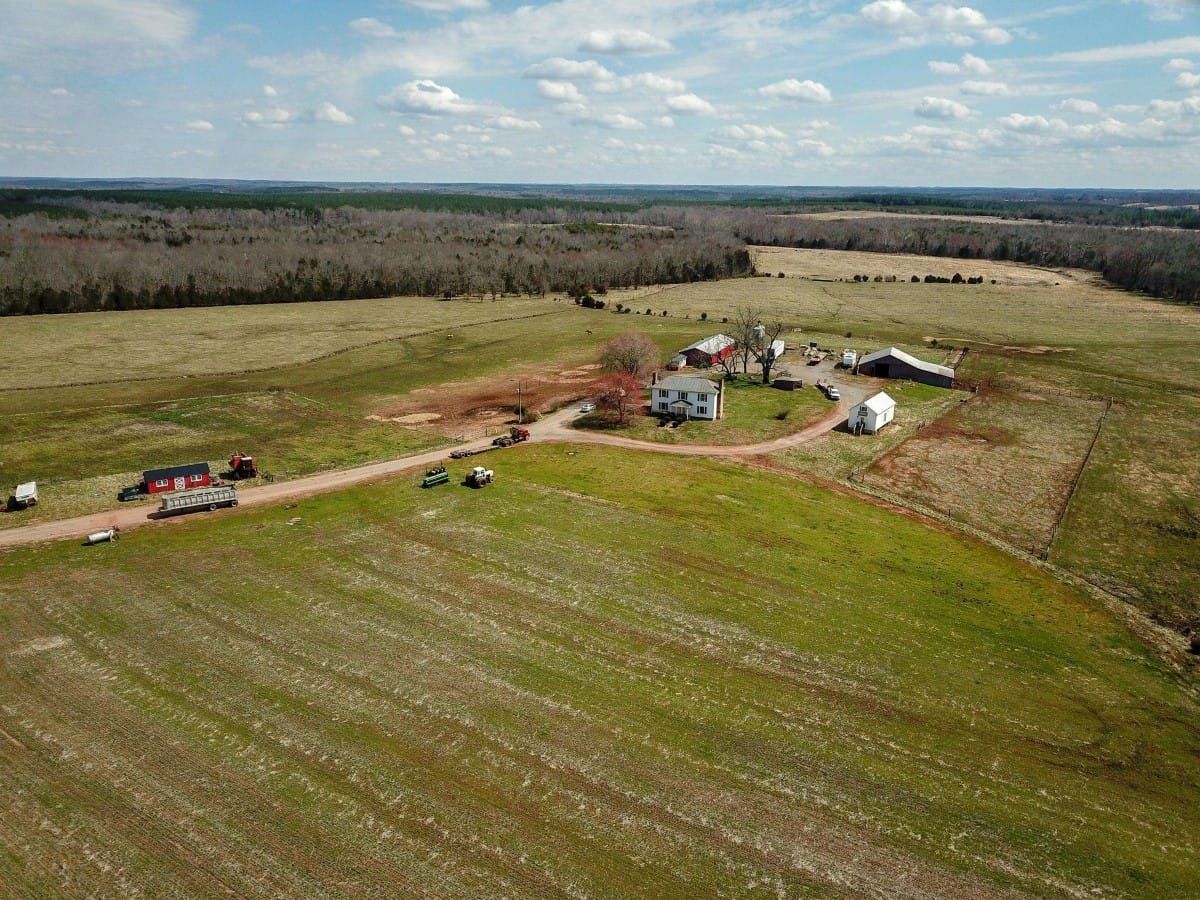
Larry Eades jokes with wry humility, "I've done all the things I'm not good at." That's not how it looks from the outside, of course; he's tackled jobs ranging from auditing insurance companies to developing software for them, and for the past couple of decades, he's co-owned a successful e-commerce business with his brother. It's just that he's always been an innovative dreamer in search of the right dream. He grew up on his family's tobacco farm in the 1960s when harvesting and curing tobacco was still arduous manual labor. From early on he knew he wasn't cut out for farming. As a teen he got his dreams from the backs of cereal boxes: while munching his cornflakes, he'd devour and memorize the details of Apollo rocket flights. Hopes of becoming an astronaut plummeted with his first rollercoaster ride, but he dreamed onward, becoming the first in his family to earn a four-year college degree. A fascination with space still threads through his hobbies and investments. I've known Larry for about 30 years, so I can attest that other lifelong threads are his kindness and down-to-earth humor. In the story below, he shares memories of his mom's cooking.
The old cast iron skillet was already hot when Momma laid the first slice of middling into it.
It sizzled the moment it touched the iron, filling the little kitchen with the smell of salt-cured pork and hardwood smoke. I was probably no more than six or seven years old, but I already knew what came next.
Thicknin' gravy.
Before I ever tasted bacon, I knew middling. Before I ever heard of biscuits and gravy, I knew thicknin' gravy.
I grew up in the rolling hills of Virginia's Piedmont, just outside Lynchburg. You won't find thicknin' gravy in cookbooks, and I doubt you'll ever see it on a restaurant menu. It was country food for farmers, tobacco hands, and little boys with healthy appetites. Though I was a picky eater, to me it was a breakfast delicacy.
Momma made it on an old wood-fired cookstove that stood in the kitchen of our farmhouse. The stove had an oven on one side and a hot water reservoir on the other. During the winter it was the warm spot in the house. Cold winds slipped through the cracks in the old farmhouse, but around that stove there was warmth, laughter, and the promise that nobody would leave the table hungry.
The gravy always began in a cast iron skillet so old it looked almost black. Years of cooking had left it slick like glass.
Before making the gravy, Momma fried what we simply called middling.
Middling was the side meat from the hog, salt-cured and then smoked. Today you'd probably compare it to slab bacon, but we never called it bacon. Bacon was something people bought in grocery stores.
Every winter, to the misfortune of the hogs, the fresh middling was packed in salt in a large wooden box inside our little log smokehouse, along with the pork shoulders and hams. Once the cure was complete - due to the small size of the smokehouse I suppose – the meat was moved to the tobacco barn. There the meat was hung from tobacco sticks by burlap strings while smoke from an open flame hickory fire slowly worked its way into the meat.
When Momma fried the slices of middling, the lean browned beautifully and the ribbons of fat turned crisp. The rich drippings left behind in that old skillet became the beginning of thicknin' gravy.
This middling was not related to the expression "fair to middling." Whoever came up with that saying never tasted our middling. Nothing average about it.
Once the crispy slices of middling came from the skillet, Momma would begin the gravy. There was never a recipe.
She sprinkled flour into the hot drippings, stirred it into the browned bits clinging to the skillet, poured in fresh milk from the family dairy cow, stirred some more, added a little more flour, a little more milk, and kept stirring.
The skillet never looked big enough to hold what she was making, yet somehow the gravy just kept growing. I never once remember her measuring anything. She simply knew.
Looking back, maybe the secret was the years of experience. But I'd rather believe it was just made with a whole lot of Momma's love.
Unlike white sawmill gravy, thicknin' gravy was darker from the browned drippings and cook time. It had a rich, deep flavor and was thick enough to sit firmly on a biscuit. It was hearty food, meant to satisfy a worker before a long day in the fields.
My favorite part came next.
In the summertime we had a bounty of sun ripened tomatoes from our garden, plucked fresh from the vine. I'd cut tomato slices into little triangles and scatter them across the steaming gravy.
Years later, I would hear Guy Clark sing:
Homegrown tomatoes, homegrown tomatoes
What'd life be without homegrown tomatoes?
Only two things that money can't buy
And that's true love and homegrown tomatoes
A man after my own heart. But true love could wait—pass the homegrown tomatoes.
And when he sang:
You can eat 'em with eggs, you can eat 'em with gravy,
Eat 'em with beans, pinto or navy...
I felt morally justified in my choice.
The tomatoes softened just enough from the heat of the gravy while keeping the sweetness that only a vine-ripened tomato has. Then I'd tear open one of Momma's scratch-made biscuits and sop up every last bite.
It wasn't fancy. It wasn't expensive. It was ordinary but exquisite.
Today I can still picture my Momma emerging from the kitchen with a hot bowl of thicknin’ gravy and setting it before my plate. Then she would say, "Come on and eat before it gets cold."
I'd give just about anything to hear those words one more time. I still remember the taste. I still remember her smile.