Autumn Assurance
Pressing 'pause' on dystopias.

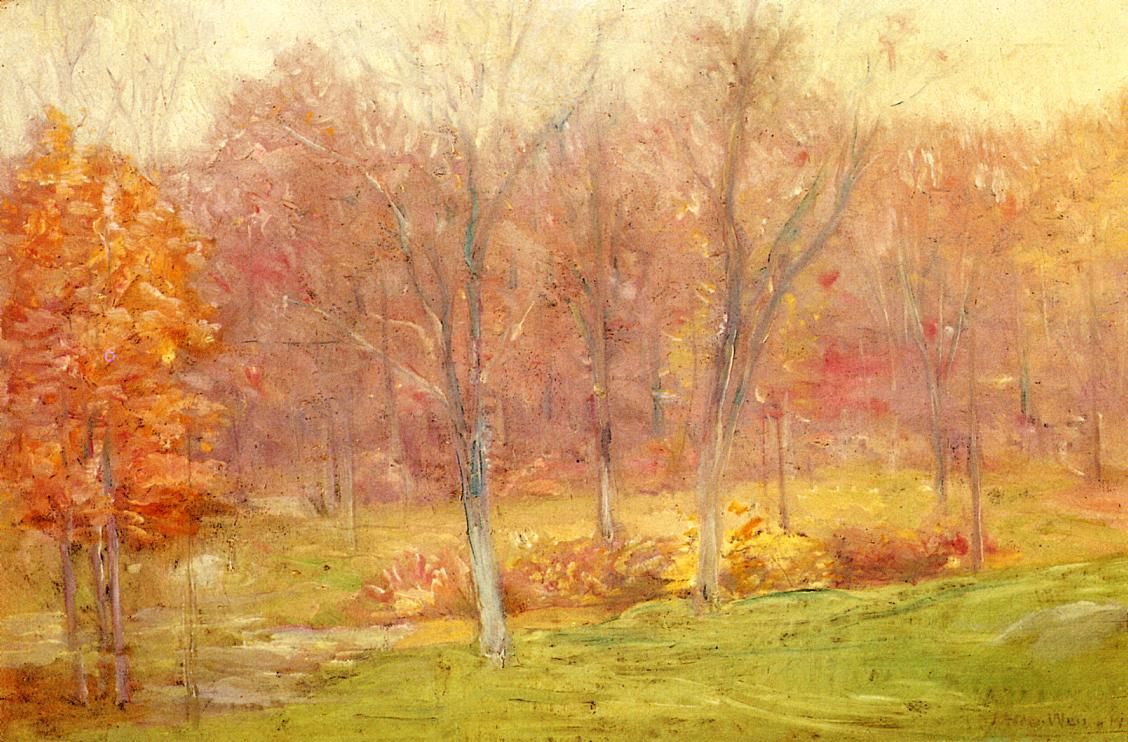
I was working on a long post about utopias and dystopias, based on an essay I wrote last year to introduce kids to the YA novel The Giver. But my mutterings got so grim that I depressed even myself. Never mind, we all have enough real-and-present grief this fall. I’ve never had so many people close to me dealing with their own and loved ones’ health challenges as in the past few weeks. Just when I thought the bad news had to let up, a friend told me that their dog got paralyzed by a freak twist of her spine. She was running happily in a field, and then she was in the doggie ICU. So I’ll save the dystopian tales for another time. Instead, here is Naomi Shihab Nye on kindness.
I’ll keep one point from that shelved post—my reason #522 or so for reading literature: whatever feeling whomps you late at night, you can be sure that a writer has found words to express, interpret, or transform it. That connection doesn’t make your experience any less unique: nobody else has ever arrived at that feeling in quite the same way, and nobody has ever felt it resonate in your body. But great writers craft moments of kinship that make it a little easier to be human. They let us know we’re not alone.
In that spirit I reread William Stafford's poem "Assurance" every fall.
You will never be alone, you hear so deep
a sound when autumn comes...
I’ve loved Stafford’s voice ever since I first met it in a college anthology of American poetry. Somehow in the most natural way, midwestern plain speaking meets transcendent mystery on hills and in streams. At the end of one poem, the speaker declares, “What the river says, that is what I say.”
Stafford was a soft-spoken Kansan who described himself as one of “the quiet of the land.” During WWII, he completed his wartime service in conscientious objector camps, where he got up before dawn every morning to write. Despite a lifelong daily writing practice, Stafford didn’t publish his first major book of poetry until he was 48. He eventually wrote more than 50 books. In 1970 he became the U.S Poet Laureate.
By coincidence, a collection of his poems that I picked up starts with this quote from Naomi Shihab Nye: "In our time there has been no poet who revived human hearts and spirits more convincingly than William Stafford."
Wishing comfort and strength for everyone who needs it. You’re not alone.