When a Girl Fell from the Sky
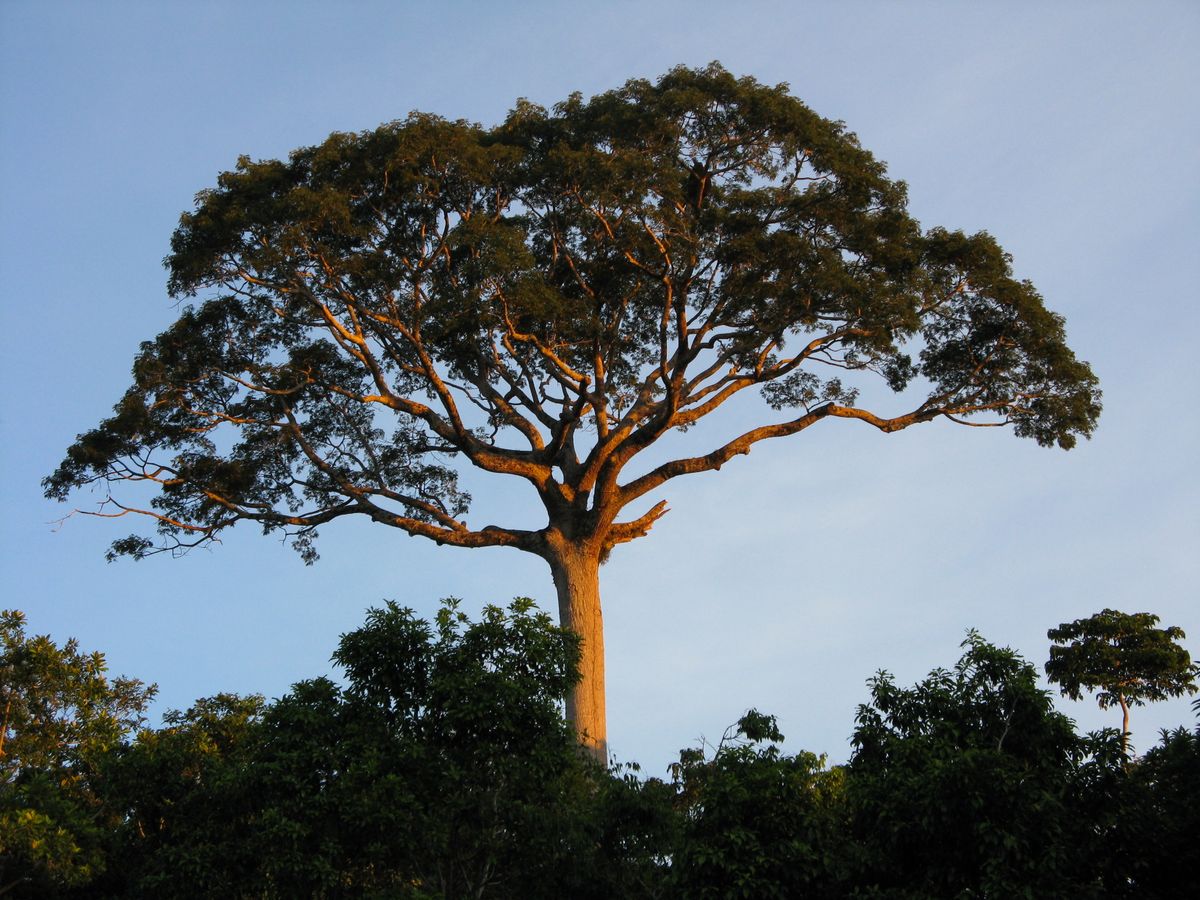
...and the treetops looked like heads of broccoli.

I can’t stop thinking about the extraordinary story of Juliane Diller née Koepcke, which I discovered while writing passages for an educational publisher.
Juliane was the daughter of German biologists who lived and worked in Peru. Her parents founded Panguana, the oldest research station in the Peruvian rainforest. Born in Lima, Juliane was homeschooled from Panguana for two years until school authorities expressed alarm that she was growing up as a jungle baby. They insisted she return to Lima to take her exams and finish high school. She passed the tests and graduated at the end of 1971. On Christmas Eve, she and her mother were heading back to Panguana to spend the holiday together as a family.
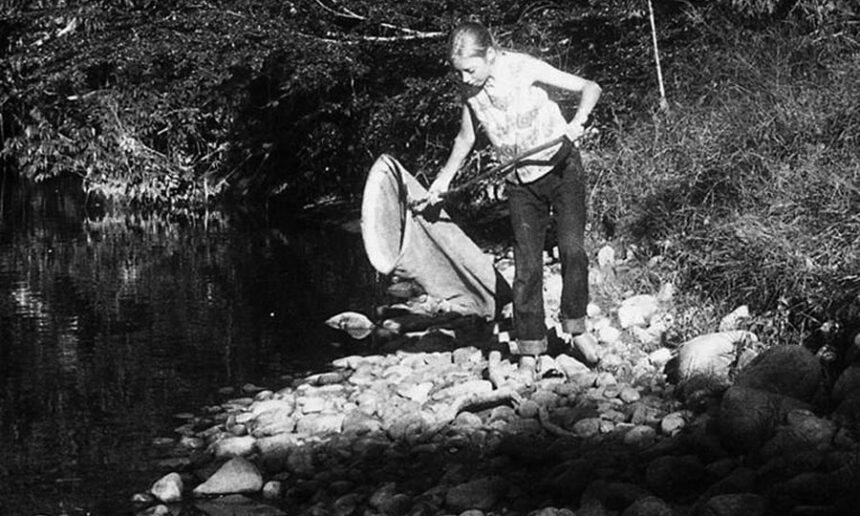
Events would show that thanks to her unusual upbringing, Juliane knew the answers to questions never asked on tests. For example, if you have fallen from an airplane into the Amazon rainforest and find yourself still alive, it’s safer to travel in the water than on land. You should keep your one remaining sandal on your foot to feel for poisonous snakes, especially if you have lost your eyeglasses. Gasoline can flush maggots from a festering wound. Above all—because you are utterly alone in your one sandal and torn minidress and have to save yourself—keep going.
You can read the story of the plane crash and Juliane’s survival here.
You can also watch Werner Herzog’s 1998 documentary Wings of Hope. For Herzog, the story of that crash and a fellow German’s ordeal was personal: location scouting in Peru in 1971, he was supposed to have been on that doomed flight but changed plans at the last minute.
While she stumbled and swam through the sweltering rainforest for 10 days with stingless bees covering her face, Juliane told herself that if she survived, she would devote her life to “a meaningful cause that served nature and humanity.”
Her cause became Panguana. She went to Germany, got her doctorate in biology, and then went back to Peru to study bats. She married an entomologist who specializes in parasitic wasps. In 2000 after the death of her father, she became the director of the research station her parents had founded.
Do bats and wasps seem anticlimactic? They did to me until I remembered that entire ecosystems depend on bat colonies. Parasitic wasps are undoubtedly important in little-known ways, too. How many Panguanas are there in remote jungles where researchers do essential, little-regarded work to serve nature and humanity?
I’m also thinking about the deforestation that Juliane’s parents worked hard to protect Panguana from. I just came across yet another alarming article, “The Amazon Is Fast Approaching a Point of No Return.” Scientists have been sounding this alarm for decades: the fate of the rainforests is the fate of our children. Does something need to fall out of the sky onto our heads for the grownups to listen before it’s too late?
When Juliane fell from the sky, the treetops looked like “heads of broccoli.” The earth is not only what we walk on, what we eat and burn for fuel; it’s the language of our experience and ourselves. I want to ask with poet Richard Wilbur whether our metaphors will still have meaning when their sources are gone.